Pineapple Matcha Chia Pudding — A Hormone-Supportive Layered Breakfast for the Follicular Phase

This is one of those recipes that blur the line between breakfast and dessert – and I'm completely fine with that.
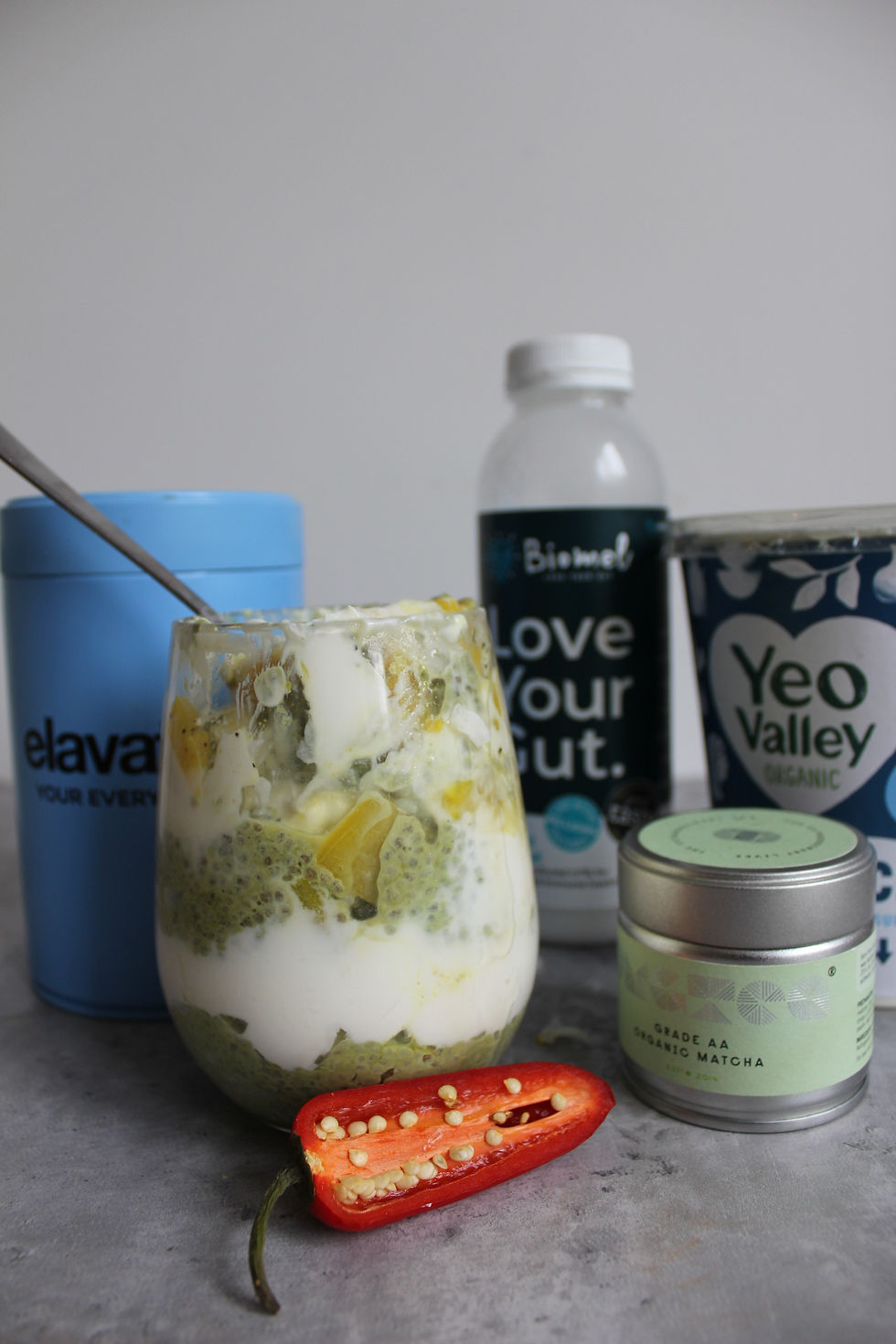
Three layers. A vibrant matcha collagen chia pudding base, a white cloud of vanilla Greek yoghurt and a warm, honey-spiced pineapple compote fragrant with turmeric and black pepper. Together they create something that looks like a lot of effort and tastes even better – but it's genuinely straightforward to put together the evening before.
It's rich, it's nourishing, and every ingredient in it is doing something purposeful for your hormones. This is what a food-first approach to cycle-aware nutrition actually looks like on a Tuesday morning.
Explore more hormone-supportive recipes inside The Balanced Edit.
Which Phase Is This Matcha Chia Pudding Best For?
This chia pudding is most supportive during the follicular and ovulatory phases – the first half of your cycle, roughly 7-16 days, when oestrogen is rising, energy is building and the body responds well to lighter, brighter, antioxidant-rich foods.
During the follicular phase, digestion tends to be more resilient, the gut microbiome is more receptive to probiotic foods and the liver benefits from vitamin C-rich, anti-inflammatory ingredients that support oestrogen metabolism. The ovulatory phases call for antioxidant protection – the body is under heightened oxidative activity during egg release, and ingredients like pineapple, turmeric and matcha directly support that.
The probiotic coconut kefir, the enzyme-rich pineapple, the L-theanine from matcha and the collagen supporting gut lining integrity all align with what the body genuinely needs in these two phases. Light, energising and deeply nourishing – this one is built for the first half of your cycle.

Ingredient Focus
Chia seeds → Omega-3s, fibre → Slow-releasing omega-3 fatty acids that support oestrogen metabolism and keep blood sugar steady through the morning. Fibre supports healthy hormone clearance via the gut – an essential part of how the body processes and removes excess oestrogen.
Coconut kefir → Live cultures, probiotics → A dairy-free probiotic source that directly supports the gut microbiome. A healthy gut is one of the most undertreated foundations of hormone balance, directly influencing how efficiently the body clears and recycles oestrogen across the cycle.
Grade AA matcha → L-theanine, antioxidants, caffeine → Calm, focused energy without the cortisol spike of coffee. L-theanine supports a steadier nervous system response and is particularly well-suited to the first half of the cycle when energy is building and you want clarity without the crash.
Greek Yoghurt → Protein, calcium → Protein anchors blood sugar from the first meal of the day. Calcium supports progesterone production and adrenal health – a quiet but consistent contributor to hormone balance.
Collagen powder → Structural protein, amino acids → Collagen is one of the most abundant proteins in the body – essential for gut lining integrity, skin, joints, bones and hair. Natural production declines with age, making consistent dietary support increasingly relevant. This recipe uses an unflavoured collagen powder blended into the chia base.
Pineapple → Vitamin C, bromelain, manganese → Bromelain is a natural enzyme with anti-inflammatory properties that supports digestion and reduces inflammation during the ovulatory phase. Vitamin C supports progesterone production and offers antioxidant protection during peak hormonal activity. Manganese plays a supporting role in hormone synthesis and bone health.
Turmeric→ Curcumin, an anti-inflammatory→ One of the most well-researched anti-inflammatory compounds available through food. During ovulation, when oxidative stress is naturally higher, turmeric offers direct antioxidant support – and its benefits are amplified when combined with black pepper.
Black pepper → Piperine → Increases curcumin absorption from turmeric by up to 2000%. A small but genuinely significant addition that maximises the anti-inflammatory impact of this recipe.
Raw cinnamon honey → Enzymes, natural antimicrobial properties → Raw honey is enzyme-rich and offers a gentler sweetness than refined sugar. Cinnamon provides additional blood sugar support and anti-inflammatory warmth. Together they create the spiced depth that makes the pineapple compote feel genuinely special.
Vanilla bean paste → Antioxidant, natural flavour → A natural flavouring that adds warmth and depth to the yoghurt layer without artificial sweeteners or additives.

Ingredients
Matcha collagen chia pudding
2 tbsp chia seeds
100 ml coconut kefir
1 heaped tsp matcha powder, sieved
2 tbsp Greek yoghurt
1 tsp raw honey
Honey-spiced pineapple compote
1 cup frozen pineapple
1 tsp raw cinnamon honey
1 tsp ground turmeric
1/2 tsp black pepper
Vanilla Greek yoghurt layer
1.5 tbsp Greek yoghurt
1 tsp vanilla bean paste
1-2 tsp collagen powder
To serve
coconut shavings
a light dusting of matcha
Method:
Chia pudding base
Spoon chia seeds into our chosen glass or jar
In a separate bowl, whisk the matcha powder with a small splash of warm water until smooth and lump-free.
Add the coconut kefir, Greek yoghurt and honey to the matcha mixture. Whisk until fully combined and creamy.
Pour the matcha mixture over the chia seeds and stir well to combine.
Cover and refrigerate overnight. The chia will absorb the liquid and set into a soft, creamy base.
Honey-spiced pineapple compote
Add frozen pineapple, honey, turmeric and black pepper to a small saucepan.
Warm over a low-medium heat, stirring regularly, until the pineapple softens and liquid reduces to a light, syrupy consistency – approximately 8-10 minutes.
Remove from the heat and leave to cool slightly before layering.
Vanilla yoghurt layer.
Stir the vanilla bean paste and collagen powder into the Greek yoghurt until fully combined and smooth.
To assemble
Layer the chia pudding, vanilla yoghurt and honey-spiced pineapple in a glass, repeating if the glass is deep enough. Finish with a scattering of coconut shavings and a light dusting of matcha.
Eat immediately or keep refrigerated – it holds well for up to 24 hours assembled, and the pineapple compote keeps for 3-4 days in a sealed jar.
Serving Suggestions
Serve chilled straight from the fridge as a grounding start to a follicular or ovulatory phase morning.
The pineapple compote works beautifully over porridge, pancakes or plain yoghurt on the days between.
Make the compote in a larger batch at the start of the week and use it across multiple breakfasts.
Why You'll Love This Matcha Chia Pudding Recipe
This is a recipe I reach for when I want breakfast to feel considered. It takes about ten minutes to put together the night before, and the morning version of you will genuinely appreciate it.
Three layers, each doing something different. A creamy, vibrant chia base with calm energy from matcha and gut support from kefir. A clean protein-forward yoghurt layer. And a warm, spiced pineapple compote that smells like something far more indulgent than it is.
Hormone-supportive eating doesn't have to be plain or punishing. This is proof of that.
Small intentional choices – made consistently.
Gentle Guidance
The follicular and ovulatory phases are a natural window to build on. When oestrogen is rising and energy is expanding, the body responds well to lighter, nourishing foods that support rather than overload it. A recipe like this fits that moment – and it takes five minutes of thought the night before.
Balanced Imogen exists to help women nourish their hormones with confidence, clarity and balance. Find out how Imogen can support you – start here.


Comments